Traveling can be exhilarating, but the process of packing often feels overwhelming. For those who value efficiency and order, mastering the art of packing is essential. Whether you’re preparing for a weekend getaway or a month-long expedition, these strategies will help you stay organized and stress-free.
Start with a Packing List
Before you even open your suitcase, create a detailed packing list. This simple step prevents last-minute scrambling and ensures you don’t forget essentials. Divide your list into categories like clothing, toiletries, electronics, and documents. For example, under clothing, note the number of shirts, pants, and undergarments you’ll need based on the duration and climate of your trip.
Use a Digital or Physical List
Some travelers prefer a handwritten list for its tangibility, while others opt for digital apps that can be easily updated. Whichever method you choose, review your list a day before departure to make adjustments. A well-structured list is the foundation of organized packing.
Choose the Right Luggage
Your choice of luggage can make or break your packing experience. For shorter trips, a carry-on suitcase or a well-designed backpack may suffice. For longer journeys, a checked bag with compartments for different items can keep things tidy. Look for luggage with built-in organizers or invest in packing cubes to maximize space.
Consider Weight and Size Restrictions
Avoid overpacking by checking your airline’s weight and size limits beforehand. Rolling clothes instead of folding them can save space and reduce wrinkles. For example, a tightly rolled pair of jeans takes up less room than a folded one and is less likely to crease.
Organize with Packing Cubes
Packing cubes are a game-changer for organized travelers. These lightweight, zippered containers help compartmentalize your belongings. Assign each cube a category—such as tops, bottoms, or accessories—to keep everything in its place. When you arrive at your destination, you can easily locate items without rummaging through your entire bag.
Color-Coding for Efficiency
For an extra layer of organization, use color-coded packing cubes. For instance, a blue cube could hold all your toiletries, while a green one contains workout gear. This visual system speeds up unpacking and repacking, especially when you’re on the move.
Minimize Toiletries
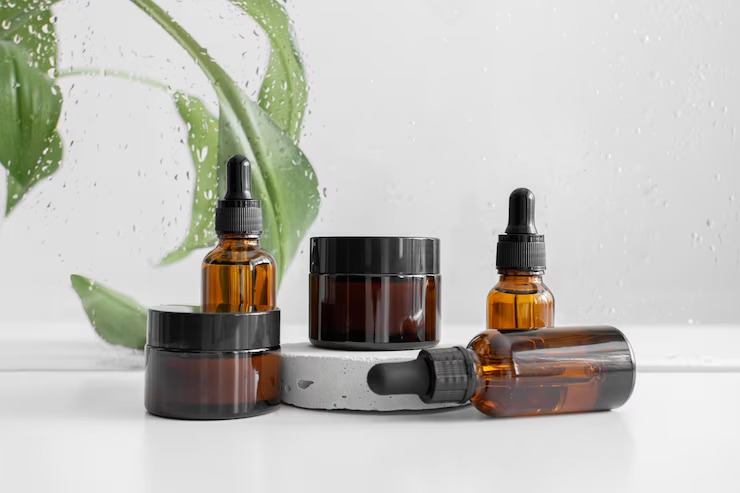
Toiletries can quickly clutter your bag if not managed properly. Opt for travel-sized containers or invest in reusable silicone bottles for liquids. Solid alternatives, like shampoo bars or toothpaste tablets, are also space-saving options. Keep all toiletries in a clear, waterproof pouch to prevent leaks and make security checks smoother.
Multi-Purpose Products
Reduce the number of items you pack by choosing multi-purpose products. A tinted moisturizer with SPF, for example, combines hydration, sun protection, and light coverage. Similarly, a single scent can serve as both perfume and body spray.
Roll, Don’t Fold
As mentioned earlier, rolling clothes is a space-saving technique that also minimizes wrinkles. This method works particularly well for casual wear like t-shirts, jeans, and lightweight sweaters. For bulkier items like jackets, consider wearing them during transit to free up luggage space.
Bundle Packing for Formal Wear
If you’re packing formal attire, the bundle method may be more effective. Lay garments flat and stack them, then wrap them around a central core (like a small pouch) to prevent creasing. This technique is ideal for suits, dresses, and delicate fabrics.
Keep Essentials Accessible
Place frequently used items in easily accessible pockets or compartments. Your passport, boarding pass, phone, and a reusable water bottle should be within reach. If you’re carrying a backpack, use the front pocket for snacks, hand sanitizer, or a book for the flight.
Emergency Kit
Prepare a small emergency kit with bandaids, pain relievers, and any necessary medications. Stash it in an outer pocket so you can grab it quickly if needed. This foresight can save you from unnecessary stress during your travels.
Final Check Before Departure
Before zipping up your bag, do a final walkthrough of your packing list. Confirm that you have all essentials, including chargers, adapters, and any important documents. Double-check the weather forecast to ensure you’ve packed appropriate attire.
Weigh Your Bag
Avoid surprises at the airport by weighing your luggage at home. If you’re close to the limit, consider removing non-essential items or redistributing weight between bags. This small step can save you time and fees at check-in.
By implementing these packing strategies, you’ll transform the often chaotic process into a streamlined routine. Organized travelers not only save time but also enjoy a more relaxed journey, knowing everything is in its rightful place. Happy travels!
Mastering the Art of Blending
When it comes to creating a seamless makeup look, blending is everything. Whether you’re working with foundation, eyeshadow, or blush, the key is to use the right tools and techniques. For foundation, a damp beauty sponge can work wonders, gently pressing the product into the skin for a natural finish. When applying eyeshadow, use a fluffy brush to blend the edges, ensuring there are no harsh lines. Remember, blending is not just about the tools; it’s also about the motion. Use light, circular strokes to create a soft, diffused effect.
Choosing the Right Shade for Your Skin Tone
Finding the perfect shade of foundation or concealer can be a daunting task, but it’s crucial for a flawless look. Start by identifying your skin’s undertone—cool, warm, or neutral. Cool undertones pair well with pink or blue-based shades, while warm undertones look best with yellow or golden hues. Neutral undertones can go either way. Always test the product on your jawline in natural light to ensure it matches your skin seamlessly. Don’t be afraid to mix shades to achieve your perfect match.
Longevity Hacks for All-Day Wear
No one wants their makeup to fade halfway through the day. To ensure your look lasts, start with a primer that suits your skin type—hydrating for dry skin, mattifying for oily skin. Set your foundation with a translucent powder, focusing on areas prone to shine. For eye makeup, use an eyeshadow primer to prevent creasing. Finally, finish with a setting spray to lock everything in place. These small steps can make a big difference in the longevity of your makeup.
Real-World Scenarios: From Day to Night
Transitioning your makeup from a daytime look to an evening glam doesn’t have to be complicated. Start by intensifying your eyeshadow—add a darker shade to the outer corners and blend well. Swap your neutral lip color for a bold red or deep plum. Add a touch of highlighter to your cheekbones, brow bone, and cupid’s bow for a radiant glow. Finally, reapply your setting spray to ensure your makeup stays fresh throughout the night. With these tips, you’ll be ready for any event that comes your way.