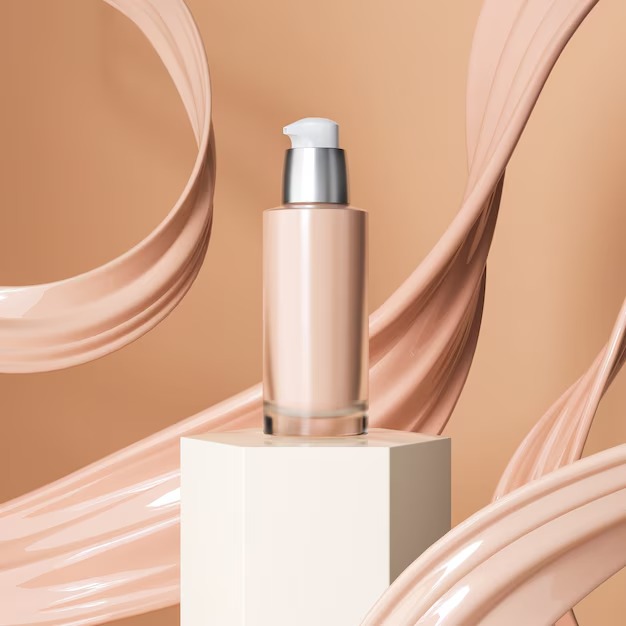
Finding the perfect foundation shade can feel like searching for a needle in a haystack. With countless brands, formulas, and undertones to consider, the process can be overwhelming. But fear not—selecting the right match doesn’t have to be a guessing game. By understanding your skin’s unique characteristics and following a few expert-backed steps, you can achieve a flawless, natural-looking finish every time.
1. Determine Your Skin’s Undertone
Before swatching a single shade, it’s essential to identify your skin’s undertone—the subtle hue beneath the surface that affects how foundation blends with your complexion. Undertones generally fall into three categories:
- Cool: Pink, red, or bluish undertones. Veins on your wrist appear blue, and silver jewelry tends to complement your skin better.
- Warm: Yellow, golden, or peachy undertones. Veins look greenish, and gold jewelry enhances your natural glow.
- Neutral: A balance of both cool and warm tones. Veins may appear blue-green, and both gold and silver jewelry suit you.
For example, if you have warm undertones, a foundation with a golden or honey base will blend seamlessly. Conversely, cool undertones pair best with shades labeled “rosy” or “porcelain.”
2. Test Shades in Natural Light
Artificial lighting in stores can distort how a foundation truly looks on your skin. To avoid mismatches, apply swatches of two to three potential shades along your jawline and step outside to assess them in daylight. The right shade will disappear into your skin without leaving a noticeable line.
Pro tip: If you’re torn between two shades, opt for the slightly lighter one. Foundation tends to oxidize (darken) slightly throughout the day, especially with oilier skin types.
3. Consider Your Skin Type and Formula
Your skin type plays a crucial role in how foundation wears. Here’s a quick guide:
- Oily Skin: Look for oil-free, matte, or long-wear formulas that control shine. Shades labeled “velvet” or “soft matte” work well.
- Dry Skin: Hydrating or luminous foundations with ingredients like hyaluronic acid prevent flakiness. Try shades in dewy or satin finishes.
- Combination Skin: A semi-matte or buildable formula balances both oily and dry areas. Adjust coverage where needed.
For instance, if you have dry skin, a foundation like “Luminous Silk” in a shade matching your undertone will provide hydration while blending effortlessly.
4. Match Your Neck and Chest
Your face isn’t the only factor—your neck and chest should also be considered to avoid a stark contrast. If your face is lighter or darker than your body, aim for a shade that bridges the gap. Blend foundation downward to ensure a seamless transition.
Example: If your face is fair with cool undertones but your chest has a slightly warmer hue, choose a neutral-cool shade that harmonizes both areas.
5. Adjust for Seasonal Changes
Skin tones can shift with the seasons due to sun exposure or lack thereof. It’s wise to have two shades: one for your winter complexion and another for summer. In transitional months, mix them to customize your perfect match.
For example, if you’re a “Sand Beige” in winter but tan to “Golden Honey” in summer, blending the two in spring or fall ensures a natural look year-round.
6. Don’t Rely on Brand Names Alone
Shade names like “Ivory” or “Caramel” vary widely between brands. A “Medium” in one line could be a “Tan” in another. Always swatch or consult the brand’s shade guide—many now offer virtual try-on tools or detailed descriptions to help.
7. When in Doubt, Seek Professional Help
If you’re still uncertain, visit a beauty counter or store where a makeup artist can assist. They’re trained to analyze undertones and recommend shades based on your skin’s unique needs. Many even provide samples to test at home before committing.
Final Thoughts
Choosing the right foundation shade is equal parts science and art. By understanding your undertones, testing strategically, and considering your skin’s behavior, you can confidently select a shade that enhances—not masks—your natural beauty. Remember, the goal is to create a seamless, radiant canvas that looks like your skin, only better.
Mastering the Art of Layering for Every Season
Layering isn’t just about staying warm—it’s a style strategy that adapts to weather, occasions, and personal flair. Start with a lightweight base like a fitted cotton tee or silk camisole, then build with mid-layers such as chunky knits or tailored blazers. Finish with a statement coat or jacket that complements your silhouette. For transitional seasons, opt for breathable fabrics like linen or merino wool that regulate temperature without bulk.
The Versatility Test: Comparing Fabric Choices
Not all materials play well together. Cotton blends work year-round but can trap moisture during intense activity. Performance fabrics like moisture-wicking synthetics excel for travel or outdoor adventures but lack the refined drape of natural fibers. Side-by-side, wool outperforms acrylic in insulation and odor resistance, while linen’s crinkled elegance beats rayon’s artificial sheen in humid climates. Pro tip: Rub fabrics between your fingers—if they snag or create static, they’ll likely clash when layered.
Real-World Styling Scenarios
1. The Airport Marathon
Navigating flight delays calls for layers that compress easily in your carry-on. A wrinkle-resistant dress over heattech leggings pairs with a packable down vest that stuffs into its own pocket. Choose slip-on loafers to breeze through security while keeping cozy socks in your personal item for inflight comfort.
2. Outdoor Wedding Whimsy
Unpredictable weather meets formal attire? A sleeveless chiffon gown layered over a high-neck thermal (in a matching hue) maintains elegance while providing warmth. Store a pashmina in your clutch for sudden chills—the fringed detail doubles as a photo-ready accessory when draped over shoulders during golden hour portraits.
3. Weekend Farmer’s Market Run
For crisp autumn mornings that turn balmy by noon, try the “peel-and-reveal” approach: A graphic tee under a corduroy shacket with removable sleeves (look for zip-off designs) lets you adjust without hauling extra items. Crossbody bags keep hands free for sampling apple cider while maintaining clean lines across your layers.
Unexpected Layer Pairings That Work
- Turtleneck under sundress: Contrast summer florals with winter knits for early spring transitions
- Silk scarf as belt: Thread through jeans loops to cinch oversized sweaters
- Fishnets under ripped denim: Edgy texture play that adds warmth without visible bulk
Remember: The best layered looks appear effortless but require thoughtful coordination. Always check your profile in a full-length mirror before heading out—if you resemble a stuffed closet, remove one piece. The magic number is usually three layers maximum for urban settings, while outdoor adventures may warrant four strategic pieces.