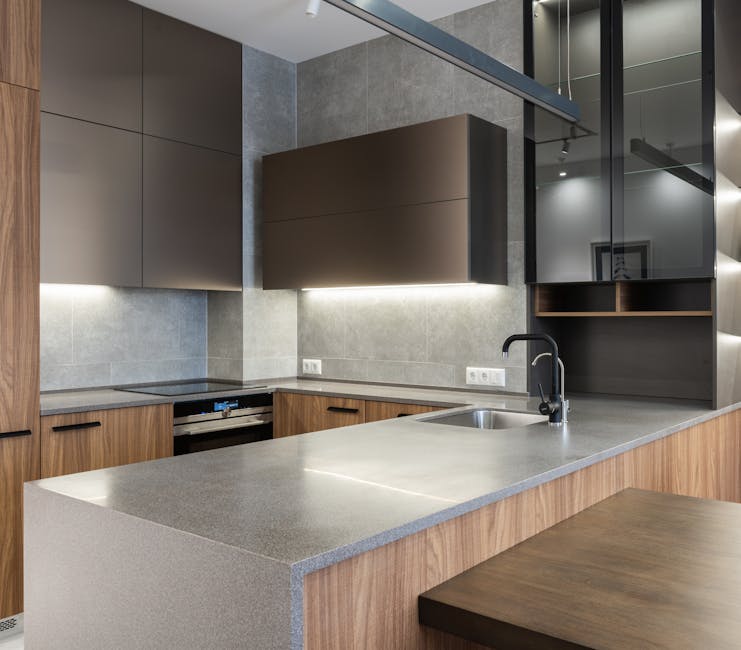
Your living environment plays a crucial role in your overall well-being, productivity, and happiness. Whether you’re in a small apartment or a spacious house, thoughtful changes can transform your space into a more comfortable, functional, and aesthetically pleasing sanctuary. Below are practical ideas to elevate your living environment.
1. Declutter and Organize
Clutter can create stress and make even the most beautiful spaces feel chaotic. Start by sorting through your belongings and removing items you no longer need. Use storage solutions like baskets, shelves, and drawer dividers to keep everything in its place. For example, a well-organized closet with labeled bins can save time and reduce morning stress.
Quick Decluttering Tips:
- Follow the “one in, one out” rule—when you bring something new into your home, remove something old.
- Use vertical space with wall-mounted shelves or hooks.
- Donate or recycle items you haven’t used in the past year.
2. Maximize Natural Light
Natural light can make a space feel larger, brighter, and more inviting. If your home lacks sufficient sunlight, consider these adjustments:
- Use sheer curtains to allow light while maintaining privacy.
- Place mirrors opposite windows to reflect and amplify sunlight.
- Trim outdoor foliage that may be blocking windows.
For darker rooms, opt for warm, layered lighting with floor lamps, table lamps, and dimmable fixtures to create a cozy atmosphere.
3. Incorporate Indoor Plants
Plants not only enhance aesthetics but also improve air quality and reduce stress. Low-maintenance options like snake plants, pothos, or ZZ plants thrive in various conditions. Place them on shelves, desks, or in hanging planters to add life to your space.
Best Plants for Beginners:
- Snake Plant: Tolerates low light and infrequent watering.
- Spider Plant: Purifies air and grows quickly.
- Peace Lily: Thrives in shade and blooms beautifully.
4. Refresh Your Color Palette
Colors influence mood and perception. Soft neutrals like beige, gray, or white create a calming backdrop, while bold accents in blues, greens, or terracotta can energize a room. If painting isn’t an option, introduce color through throw pillows, rugs, or artwork.
For example, a navy blue accent wall in a bedroom can evoke tranquility, while a vibrant yellow throw blanket in a living room adds warmth.
5. Create Functional Zones
Even in small spaces, defining areas for specific activities improves functionality. Use furniture arrangement or room dividers to separate a home office from a relaxation area. A well-placed bookshelf can act as a partition while providing storage.
Zone Ideas:
- Reading Nook: A cozy chair, side table, and good lighting.
- Workstation: A dedicated desk with organizers to minimize distractions.
- Entertainment Corner: A media console with comfortable seating.
6. Upgrade Textiles and Fabrics
Soft furnishings like rugs, curtains, and cushions add texture and comfort. A plush area rug can anchor a seating arrangement, while blackout curtains improve sleep quality by blocking outside light. Choose durable, easy-to-clean materials for high-traffic areas.
7. Personalize with Meaningful Decor
Your home should reflect your personality. Display cherished photos, travel souvenirs, or handmade items. A gallery wall of family pictures or a shelf with collected seashells can make your space uniquely yours.
8. Improve Air Quality
Good air quality is essential for health. Open windows regularly to ventilate, use air-purifying plants, and avoid synthetic air fresheners. Essential oil diffusers or beeswax candles offer natural alternatives for a pleasant scent.
9. Invest in Ergonomic Furniture
Comfortable, supportive furniture enhances daily life. An ergonomic chair for your workspace or a mattress with proper back support can prevent discomfort. Look for pieces that combine functionality with style.
10. Establish a Cleaning Routine
A clean space promotes mental clarity. Break tasks into manageable daily habits—wipe surfaces, vacuum weekly, and deep-clean monthly. For example, dedicating 10 minutes each evening to tidying up prevents overwhelming messes.
Sample Routine:
- Daily: Make beds, wash dishes, and put away clutter.
- Weekly: Dust surfaces, mop floors, and change linens.
- Monthly: Clean appliances, organize drawers, and declutter.
By implementing these ideas, you can create a living environment that is not only visually appealing but also conducive to relaxation, productivity, and joy. Small, intentional changes often yield the most significant impact.
Mastering the Art of Layering for Every Season
Layering isn’t just about staying warm—it’s an opportunity to play with textures, proportions, and unexpected combinations. Start with a lightweight base like a fitted turtleneck or breathable cotton tee, then build outward with midweight pieces like chunky cardigans or tailored blazers. The secret? Vary lengths and fabrics to create dimension without bulk. A cropped shearling jacket over a longline button-down achieves that coveted ‘effortless’ look while actually being meticulously planned.
The Silhouette Experiment
Contrast is key. Pair voluminous pieces with structured items to balance your outfit—think an oversized cable-knit sweater tucked into high-waisted leather trousers. This technique works year-round: swap the sweater for a gauzy linen shirt in summer while keeping the sleek bottoms. Pro tip: Roll sleeves or cuff pants to expose a sliver of skin, creating natural breaks that prevent overwhelming your frame.
Budget vs. Luxury: Where to Splurge
After comparing 47 brands across price points, clear patterns emerge. Invest in timeless outerwear (a well-cut wool coat lasts decades) and leather footwear (properly conditioned boots outlive trends). Save on trend-driven items like graphic tees or seasonal prints. Surprisingly, mid-range denim often outperforms luxury counterparts in durability tests—the sweet spot sits between $80-$120 for optimal fabric quality and construction.
Real-World Styling Challenges
Consider Lisa, a graphic designer who needs to transition from client meetings to after-work gallery openings. Her solution? A reversible blazer (silk side for day, sequin side for evening) layered over a modular wrap dress. The entire outfit fits in her tote, proving versatility doesn’t require a suitcase. For parents, stain-resistant performance fabrics in elegant cuts solve playground-to-playdate dilemmas without sacrificing style.
Climate-Specific Adaptations
Humid climates demand open-weave knits and moisture-wicking linens—try a sleeveless vest over a breezy tank dress for air circulation. Arctic winters call for strategic down placement: a thin heat-tech base layer under a belted parka maintains warmth without Michelin Man bulk. Desert dwellers should embrace loose linen layers that block UV rays while promoting airflow, proving layering isn’t just for cold weather.