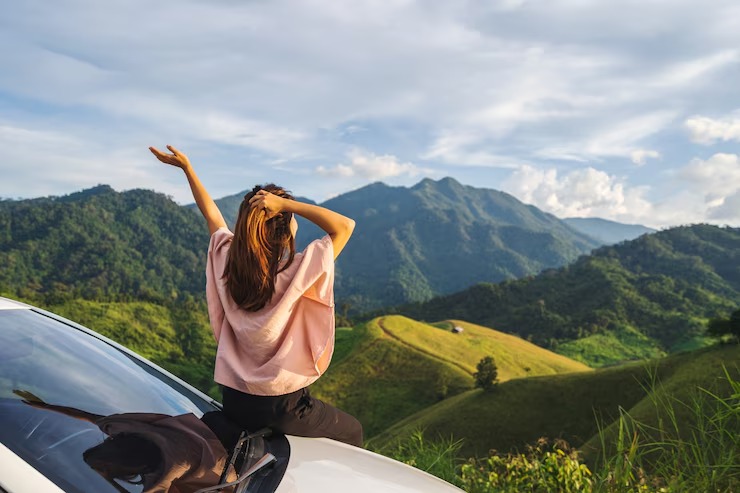
Traveling solo can be one of the most rewarding experiences of your life. It offers a chance to explore new places, meet interesting people, and grow as an individual. However, it also comes with unique challenges, especially when it comes to safety. Whether you’re backpacking through Europe or exploring a bustling city in Asia, taking precautions to protect yourself is essential. Here’s a comprehensive guide to staying safe while traveling solo.
1. Research Your Destination Thoroughly
Before you even pack your bags, spend time researching your destination. Understand the local customs, laws, and potential safety concerns. For example, some countries may have areas that are best avoided after dark, while others may have specific scams targeting tourists. Websites like government travel advisories can provide valuable insights into the safety of your chosen location.
Additionally, familiarize yourself with local emergency numbers and the location of your country’s embassy or consulate. Knowing these details can save precious time in case of an emergency.
2. Share Your Itinerary with Trusted Contacts
One of the simplest yet most effective ways to stay safe is to share your travel plans with family or friends. Provide them with a detailed itinerary, including flight details, hotel addresses, and any planned activities. Check in regularly to let them know you’re safe.
For instance, if you’re hiking in a remote area, let someone know your expected return time and the route you’ll be taking. This way, if something goes wrong, someone will know where to look for you.
3. Stay Aware of Your Surroundings
Being alert and aware of your surroundings is crucial when traveling solo. Avoid walking with headphones in unfamiliar areas, as they can distract you from potential dangers. Keep your phone charged but use it sparingly in public places to avoid drawing attention.
For example, if you’re in a crowded market, keep your belongings close and be mindful of pickpockets. Trust your instincts—if something feels off, remove yourself from the situation immediately.
4. Choose Accommodations Wisely
Where you stay can significantly impact your safety. Opt for reputable hotels or hostels with good reviews, especially those with 24-hour security. Avoid staying in isolated areas or neighborhoods with a reputation for crime.
When booking, consider accommodations that offer private rooms or female-only dorms if you’re a woman traveling alone. Always lock your room door and use additional security measures like doorstops or portable alarms if necessary.
5. Blend In with the Local Culture
Standing out as a tourist can make you a target for scams or theft. Try to blend in by dressing modestly and respecting local customs. Learn a few basic phrases in the local language to help you navigate and communicate more effectively.
For example, in some countries, wearing flashy jewelry or carrying expensive cameras can attract unwanted attention. Dressing like a local and keeping a low profile can help you avoid trouble.
6. Use Reliable Transportation
Transportation is a key area where solo travelers need to be cautious. Always use reputable services like licensed taxis or rideshare apps with verified drivers. Avoid hitchhiking or accepting rides from strangers.
If you’re traveling at night, consider arranging transportation in advance or asking your hotel to recommend a trusted driver. Public transportation can be safe during the day, but be extra vigilant in crowded spaces.
7. Keep Your Valuables Secure
Protecting your belongings is essential when traveling alone. Use a money belt or hidden pouch to store your passport, cash, and credit cards. Avoid carrying large sums of money and keep copies of important documents in a separate location.
For instance, if you’re staying in a hostel, use lockers or safes provided by the accommodation. Never leave your valuables unattended, even for a moment.
8. Stay Connected and Informed
Having access to communication tools can make a big difference in ensuring your safety. Purchase a local SIM card or an international phone plan to stay connected. Download offline maps and translation apps to help you navigate unfamiliar areas.
Additionally, stay informed about local news and weather conditions. Unexpected events like protests or natural disasters can impact your travel plans, so being aware allows you to adjust accordingly.
9. Trust Your Instincts
Your intuition is one of your most powerful tools when traveling solo. If a situation feels unsafe, trust your gut and remove yourself from it. Whether it’s declining an invitation from a stranger or leaving a crowded area, prioritizing your safety is paramount.
For example, if someone pressures you to visit a remote location or insists on accompanying you, politely decline and walk away. It’s always better to be cautious than regretful.
10. Make Connections Safely
Meeting new people is one of the joys of solo travel, but it’s important to do so safely. Avoid sharing personal details like your accommodation address or travel plans with strangers. Meet in public places and let someone know where you’re going.
For instance, if you’re joining a group tour or attending a social event, keep your guard up and avoid excessive drinking. Building connections can enhance your travel experience, but your safety should always come first.
Conclusion
Solo travel offers unparalleled freedom and adventure, but it requires careful planning and vigilance. By researching your destination, staying aware of your surroundings, and taking proactive steps to protect yourself, you can minimize risks and enjoy your journey to the fullest. Remember, safety is not about fear—it’s about empowerment. With the right precautions, you can confidently explore the world on your own terms.