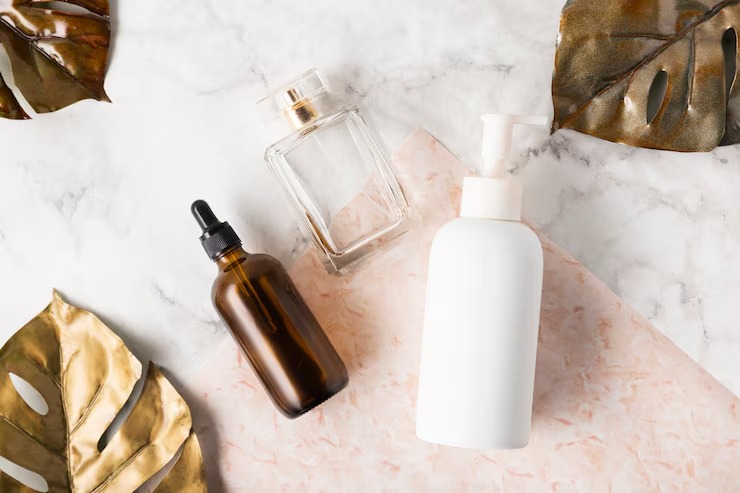
Natural makeup has become a timeless trend, celebrated for its ability to enhance beauty without overshadowing it. The key to mastering this look lies in simplicity—using fewer products to achieve a flawless, radiant finish. Whether you’re a makeup novice or a seasoned enthusiast, this guide will walk you through the essentials of creating a natural makeup look with minimal effort and maximum impact.
The Philosophy of Natural Makeup
Natural makeup isn’t about masking your features; it’s about enhancing them. The goal is to create a polished appearance that looks effortless and authentic. This approach emphasizes skin health, subtlety, and strategic product use. By focusing on quality over quantity, you can streamline your routine while achieving stunning results.
1. Start with Skincare
The foundation of any natural makeup look is healthy skin. A well-prepped canvas ensures that your makeup blends seamlessly and lasts longer. Begin with a gentle cleanser to remove impurities, followed by a hydrating moisturizer to plump and nourish your skin. If you’re heading outdoors, don’t skip sunscreen—it protects your skin and prevents premature aging.
For an extra boost, consider using a lightweight primer. Opt for one that blurs imperfections and evens out your skin tone without feeling heavy. This step creates a smooth base, reducing the need for excessive foundation or concealer.
2. Choose a Lightweight Base
When it comes to natural makeup, less is more. Instead of full-coverage foundation, opt for a tinted moisturizer, BB cream, or lightweight foundation. These products provide sheer to medium coverage, allowing your skin’s natural texture to shine through.
Apply sparingly, focusing on areas that need the most attention, such as redness or unevenness. Use a damp beauty sponge or your fingers to blend seamlessly for a skin-like finish. Remember, the goal is to enhance, not conceal.
3. Conceal Strategically
For targeted coverage, use a creamy concealer to address blemishes, dark circles, or redness. Choose a shade that matches your skin tone or is slightly lighter for brightening effects. Dab the product gently onto the problem areas and blend with a small brush or your fingertips.
Avoid overdoing it—natural makeup is about subtlety. A light touch ensures your skin still looks like skin, just more refined.
4. Embrace Neutral Tones
Eyeshadow doesn’t have to be dramatic to make an impact. Stick to neutral shades like soft browns, taupes, and creams to define your eyes subtly. A single shade swept across your lids can add depth without looking overdone.
For eyeliner, opt for a brown pencil or gel liner instead of harsh black. Apply a thin line close to your lash line for a soft, natural definition. Finish with a coat of mascara to open up your eyes and enhance your lashes.
5. Define Your Brows
Well-groomed brows frame your face and complete your look. Use a brow pencil or powder to fill in sparse areas, following the natural shape of your brows. Keep the strokes light and feathery for a realistic finish.
If you prefer a low-maintenance option, a tinted brow gel can add color and hold your brows in place with minimal effort.
6. Add a Touch of Color
A natural makeup look isn’t complete without a hint of color on your cheeks and lips. Choose a cream blush in a soft pink or peach shade for a fresh, healthy glow. Blend it onto the apples of your cheeks for a subtle flush.
For your lips, opt for a tinted balm, sheer lipstick, or lip gloss in a natural hue. These products provide a hint of color while keeping your lips hydrated and soft.
7. Set It Lightly
To ensure your makeup stays in place without looking cakey, use a light dusting of translucent powder. Focus on areas prone to shine, such as your T-zone, while leaving the rest of your skin with a natural, dewy finish.
If you prefer a more luminous look, skip the powder and use a setting spray to lock in your makeup while maintaining a fresh appearance.
Final Thoughts
Mastering natural makeup with minimal products is all about balance and intention. By focusing on enhancing your features rather than masking them, you can create a look that feels authentic and effortless. Remember, the best makeup is the kind that makes you feel confident and comfortable in your own skin.
With these tips, you can streamline your routine, save time, and embrace the beauty of simplicity. Whether you’re heading to work, running errands, or enjoying a casual outing, a natural makeup look is always in style.
Mastering the Art of Everyday Skincare
Great skin doesn’t happen by accident—it’s the result of consistent care and smart choices. Whether you’re dealing with dryness, oiliness, or sensitivity, tailoring your routine to your skin’s unique needs can make all the difference. Let’s explore how to build a regimen that works for you.
Morning vs. Night: Why Both Matter
Your skin has different requirements at different times of day. Mornings call for protection against environmental stressors, while nights focus on repair and renewal. A lightweight vitamin C serum works wonders under daytime moisturizer, providing antioxidant defense against pollution and UV damage. Evening is prime time for retinol or gentle exfoliants that accelerate cell turnover while you sleep.
Budget-Friendly Alternatives That Deliver
Luxury products aren’t always necessary for healthy skin. Many drugstore brands now offer formulations rivaling high-end counterparts. Look for ceramides in moisturizers, hyaluronic acid in serums, and niacinamide in toners—these powerhouse ingredients often appear in affordable options. The key is reading labels rather than judging by price tags.
When to See a Professional
While home care handles most concerns, persistent acne, unusual redness, or sudden texture changes warrant a dermatologist visit. Many skin conditions mimic each other—what appears as dryness might actually be early-stage eczema. Professionals can also recommend clinical treatments like customized facials or light therapy for stubborn issues.
Real People, Real Results
Sarah, a teacher battling combination skin, found balance by switching to gel-based cleansers and using different moisturizers for her T-zone versus cheeks. Mark, who struggled with razor bumps, improved his shaving routine with pre-shave oils and post-shave soothing toners. Their experiences remind us that solutions exist for every skin challenge—it’s about finding your personal formula.