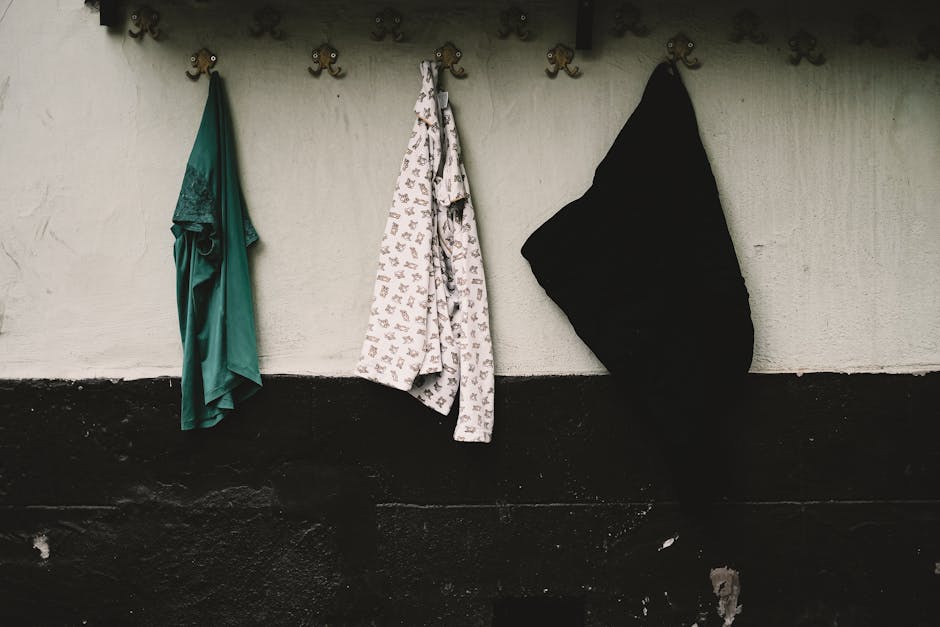
Clothing is an investment, both financially and emotionally. Whether it’s a favorite pair of jeans, a timeless blazer, or a delicate silk blouse, taking proper care of your garments can significantly extend their lifespan. With a few simple practices, you can ensure your wardrobe remains fresh, durable, and ready to wear for years to come. Here’s how to maintain your clothes to make them last.
Read and Follow Care Labels
Every garment comes with a care label for a reason. These labels provide essential instructions on how to wash, dry, and iron your clothes. Ignoring them can lead to shrinkage, fading, or damage. For example, a wool sweater labeled “hand wash only” should never go in the washing machine, while a cotton T-shirt marked “tumble dry low” will fare better in the dryer than on high heat.
If you’re unsure about a symbol or instruction, take a moment to look it up. A little extra effort can save you from costly mistakes.
Wash Less Frequently
Overwashing is one of the most common reasons clothes wear out quickly. Not every item needs to be washed after a single wear. Jeans, sweaters, and outerwear, for example, can often be worn multiple times before needing a wash. Spot cleaning stains or airing out garments can help keep them fresh without unnecessary laundering.
For delicate items like silk or lace, consider using a gentle hand wash or a specialized dry-cleaning service. This reduces stress on the fibers and preserves the garment’s integrity.
Sort Laundry Properly
Sorting your laundry isn’t just about separating colors from whites. It’s also about protecting fabrics from damage. Separate heavy items like towels and jeans from lightweight fabrics like blouses and lingerie. Zippers, buttons, and embellishments can snag delicate materials, so turn garments inside out before washing.
Use mesh laundry bags for items like bras, tights, or anything with straps to prevent tangling and stretching.
Use the Right Detergent
Not all detergents are created equal. Choose a detergent that matches your fabric type and washing machine. For instance, use a mild detergent for delicate fabrics and a color-safe formula for bright or dark clothing. Avoid using too much detergent, as excess suds can leave residues that weaken fibers over time.
For wool or cashmere, opt for a specialized detergent designed to preserve the softness and shape of these materials.
Dry with Care
High heat can be harsh on fabrics, causing shrinkage, fading, and wear. Whenever possible, air dry your clothes. Hang delicate items like dresses and blouses on padded hangers to maintain their shape. For knitwear, lay garments flat on a clean towel to prevent stretching.
If you must use a dryer, select the lowest heat setting and remove clothes while they’re slightly damp to minimize wrinkles and reduce the need for ironing.
Store Clothes Correctly
Proper storage is key to maintaining your clothes. Fold knitwear instead of hanging it to prevent stretching. Use padded hangers for structured items like blazers and coats to retain their shape. Avoid overcrowding your closet, as tight spaces can lead to wrinkles and fabric distortion.
For seasonal clothing, store items in breathable garment bags or airtight containers with silica gel packets to ward off moisture and pests.
Repair and Mend
Small tears, loose buttons, or unraveling seams can quickly worsen if left unattended. Keep a basic sewing kit on hand for quick fixes. Learn simple techniques like reattaching buttons or darning small holes to keep your clothes in wearable condition.
For more complex repairs, consider taking your garments to a professional tailor. A well-executed repair can breathe new life into a piece you thought was beyond saving.
Rotate Your Wardrobe
Wearing the same items repeatedly accelerates wear and tear. Rotate your wardrobe to distribute usage more evenly. This gives garments time to “rest” between wears, reducing the strain on fabrics and extending their lifespan.
For example, alternate between two pairs of shoes instead of wearing the same pair every day. This allows the soles to recover and prevents excessive wear.
Protect Against Environmental Factors
Sunlight, humidity, and pests can all damage your clothes. Store garments in a cool, dry place away from direct sunlight to prevent fading. Use cedar blocks or lavender sachets to deter moths and other pests naturally.
If you live in a humid climate, invest in a dehumidifier for your closet to prevent mildew and musty odors.
Invest in Quality
While it may seem counterintuitive, spending more on high-quality clothing can save you money in the long run. Well-made garments are often constructed with better materials and craftsmanship, making them more durable and easier to maintain.
For example, a sturdy leather jacket or a pair of well-constructed boots can last for decades with proper care, whereas cheaper alternatives may need frequent replacement.
Conclusion
Maintaining your clothes doesn’t require drastic changes—just thoughtful habits. By reading care labels, washing less frequently, sorting laundry, and storing items correctly, you can keep your wardrobe looking fresh and lasting longer. Small investments in quality and timely repairs can make a big difference. With these tips, you’ll not only save money but also reduce waste, contributing to a more sustainable approach to fashion.