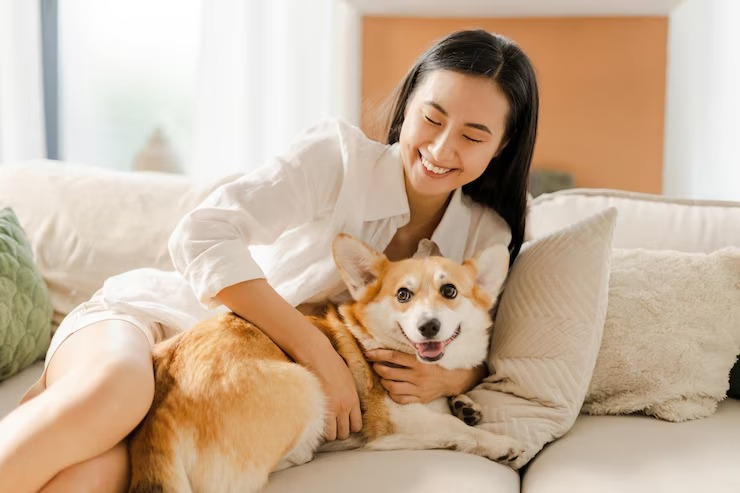
Creating a comfortable space for your pet is essential for their well-being and happiness. Whether you have a dog, cat, bird, or small mammal, providing a dedicated area where they feel safe and relaxed can significantly enhance their quality of life. This guide will walk you through practical steps to design a space that caters to your pet’s unique needs.
Understand Your Pet’s Needs
The first step in creating a comfortable space is understanding your pet’s specific requirements. Different animals have different needs based on their species, size, and personality. For example, dogs often need a spot where they can stretch out and relax, while cats prefer cozy, elevated spaces where they can observe their surroundings.
Consider your pet’s habits and preferences. Does your dog enjoy lounging in sunny spots? Does your cat love hiding in enclosed spaces? Observing your pet’s behavior will help you tailor their space to suit their natural instincts.
Choose the Right Location
Location is key when setting up your pet’s space. Choose an area in your home that is quiet, free from heavy foot traffic, and easily accessible. For dogs, a corner of the living room or a spot near a window might be ideal. Cats often prefer higher areas, such as a perch near a bookshelf or a dedicated cat tree.
Smaller pets, like rabbits or guinea pigs, need a safe enclosure away from drafts and direct sunlight. Birds thrive in spaces where they can interact with the family but also retreat to a quiet corner when needed.
Invest in Comfortable Bedding
Comfortable bedding is crucial for your pet’s relaxation. For dogs, opt for a cushioned bed that supports their joints, especially if they are older or have health issues. Cats appreciate soft blankets or plush beds, particularly those with raised edges for added security.
Small mammals benefit from bedding materials like hay or shredded paper, which mimic their natural habitats. Birds need perches of varying textures and diameters to keep their feet healthy. Always ensure bedding is clean and replaced regularly to maintain hygiene.
Provide Enrichment and Entertainment
A comfortable space isn’t just about physical comfort—it’s also about mental stimulation. Include toys, scratching posts, or interactive elements that cater to your pet’s instincts. Dogs enjoy chew toys and puzzle feeders, while cats love scratching pads and feather toys.
Small mammals benefit from tunnels, exercise wheels, and chew toys to keep them engaged. Birds need toys that encourage climbing, foraging, and problem-solving. Rotate toys regularly to prevent boredom and keep your pet entertained.
Ensure Safety and Accessibility
Safety is a non-negotiable aspect of creating a comfortable space. Remove any potential hazards, such as loose wires, toxic plants, or small objects that your pet could swallow. Ensure their space is free from sharp edges or unstable furniture that could cause injury.
Accessibility is also important. Make sure your pet can easily reach their food, water, and litter box or potty area. For older pets or those with mobility issues, consider ramps or lower surfaces to help them move around comfortably.
Create a Sense of Security
Pets thrive in environments where they feel secure. Provide hiding spots or enclosed spaces where they can retreat when they feel overwhelmed. For cats, this might be a covered bed or a cardboard box. Dogs often appreciate crates with soft bedding, as long as they associate them with positive experiences.
Small mammals benefit from hideouts or tunnels in their enclosures, while birds may enjoy a covered corner of their cage. Ensuring your pet has a safe retreat can reduce stress and promote relaxation.
Maintain Cleanliness
A clean space is essential for your pet’s comfort and health. Regularly wash bedding, clean food and water bowls, and sanitize toys. For small mammals and birds, clean their enclosures frequently to prevent odors and bacteria buildup.
Dogs and cats appreciate clean litter boxes or potty areas. A tidy space not only keeps your pet healthy but also reinforces their sense of security and well-being.
Personalize the Space
Finally, personalize your pet’s space to reflect their personality and preferences. Add familiar scents, such as a blanket that smells like you, to provide comfort. Incorporate their favorite toys or items that they associate with positive experiences.
For birds, consider adding natural elements like branches or leaves. Cats might enjoy a window perch with a view of the outdoors. Personal touches make the space uniquely theirs and enhance their overall happiness.
Monitor and Adjust
Creating a comfortable space is an ongoing process. Observe how your pet interacts with their environment and make adjustments as needed. If your dog seems restless, try moving their bed to a quieter area. If your cat isn’t using their scratching post, experiment with different textures or placements.
Regularly reassessing your pet’s space ensures it continues to meet their evolving needs. A comfortable environment not only improves their quality of life but also strengthens the bond between you and your furry, feathered, or scaly friend.
By following these steps, you can create a space where your pet feels safe, relaxed, and truly at home. After all, their comfort is a reflection of the love and care you provide.