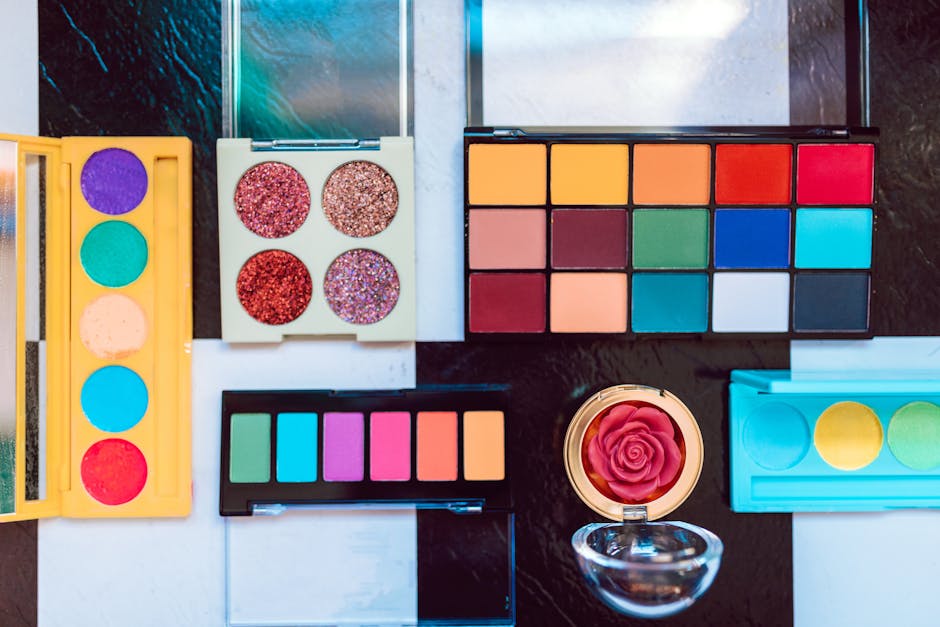
In recent years, the beauty industry has undergone a significant transformation, driven by advancements in technology. From smart mirrors to app-controlled devices, makeup tools are becoming more innovative, precise, and personalized than ever before. These developments are not just changing how we apply makeup but also enhancing the overall beauty experience for consumers. Let’s explore how technology is reshaping the world of makeup tools.
Smart Mirrors: The Future of Makeup Application
One of the most notable advancements in makeup technology is the rise of smart mirrors. These devices go beyond traditional mirrors by offering features like built-in lighting, magnification, and even augmented reality (AR) capabilities. For instance, some smart mirrors allow users to virtually try on different makeup looks in real-time. This eliminates the guesswork involved in choosing the right shade of lipstick or foundation, making it easier to experiment with new styles.
Additionally, smart mirrors often come with customizable lighting settings that mimic natural daylight, ensuring that your makeup looks flawless in any environment. Brands like HiMirror and Simplehuman have already introduced such products, and their popularity continues to grow as consumers seek more efficient and accurate ways to apply makeup.
AI-Powered Skincare Devices
While not directly a makeup tool, skincare devices powered by advanced technology are playing a crucial role in preparing the canvas for makeup application. Devices like facial cleansing brushes and LED light therapy tools are becoming smarter, offering personalized skincare routines based on individual skin types and concerns. For example, some devices analyze your skin’s condition and recommend specific treatments to address issues like acne, wrinkles, or uneven tone.
By improving skin health, these tools ensure a smoother and more even base for makeup, reducing the need for heavy products. This shift towards healthier skin has also influenced the development of lighter, more breathable makeup formulas that work in harmony with these devices.
App-Controlled Makeup Tools
The integration of smartphone apps with makeup tools is another game-changer in the beauty industry. Devices like electric eyelash curlers, lip plumpers, and even foundation applicators can now be controlled via apps, allowing users to customize their experience. For instance, an app might let you adjust the intensity of a heated eyelash curler or track the lifespan of your makeup brushes to ensure they’re replaced at the right time.
These app-controlled tools not only enhance convenience but also provide valuable insights into your beauty routine. Some apps even offer tutorials and tips tailored to your specific needs, making it easier for beginners to master makeup application techniques.
3D Printing: Customization at Its Finest
3D printing technology is making waves in the beauty industry by enabling the creation of highly customized makeup tools. Brands are now using 3D printing to design makeup brushes, applicators, and even entire palettes that cater to unique preferences. For example, a 3D-printed brush might be tailored to fit the contours of your face perfectly, ensuring a more precise and even application.
This level of customization extends to makeup products themselves, with 3D-printed lipsticks and eyeshadows allowing consumers to create their own shades and designs. As this technology becomes more accessible, it’s likely to revolutionize the way we think about makeup tools and products.
Virtual Makeup Try-Ons
Virtual try-on technology has become a staple in the beauty industry, allowing consumers to test makeup products without ever stepping into a store. Using AR, brands can overlay virtual makeup onto a user’s face in real-time, providing a realistic preview of how a product will look. This technology is particularly useful for online shoppers who want to make informed purchasing decisions.
Major beauty brands like Sephora and L’Oréal have already integrated virtual try-on features into their websites and apps, and this trend is expected to grow. By reducing the need for physical testers, this technology also promotes hygiene and sustainability in the beauty industry.
The Role of Wearable Technology
Wearable technology is also making its mark on the beauty world. Devices like smart jewelry and patches can monitor skin health, hydration levels, and even UV exposure, providing valuable data that can inform your makeup routine. For example, a smart patch might alert you when it’s time to reapply sunscreen, ensuring your skin stays protected throughout the day.
These wearable devices are not only practical but also help consumers make more informed decisions about the products they use. As this technology evolves, it’s likely to become an integral part of the beauty ecosystem.
Conclusion
Technology is undeniably transforming the way we approach makeup tools, making them smarter, more personalized, and more efficient. From smart mirrors and app-controlled devices to 3D printing and virtual try-ons, these innovations are enhancing the beauty experience for consumers worldwide. As technology continues to advance, we can expect even more exciting developments in the world of makeup tools, paving the way for a future where beauty is more accessible, precise, and tailored than ever before.