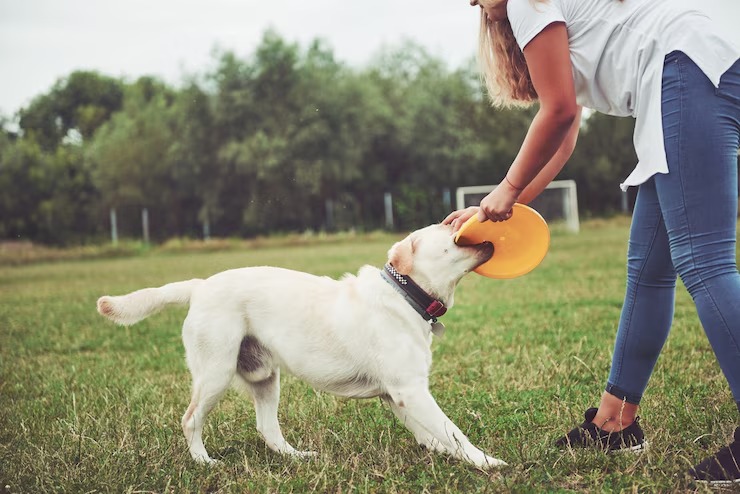
Proper grooming is essential for maintaining the health and happiness of your pets. Beyond keeping them looking their best, grooming routines help prevent health issues, strengthen the bond between you and your pet, and ensure their overall well-being. Whether you have a dog, cat, rabbit, or another furry friend, these grooming tips will help you keep them in top shape.
Why Grooming Matters
Grooming is more than just a cosmetic routine; it plays a vital role in your pet’s health. Regular grooming helps remove dirt, debris, and dead hair, prevents matting, and allows you to spot potential health issues early, such as skin irritations, lumps, or parasites. Additionally, grooming sessions provide an opportunity to check your pet’s ears, eyes, teeth, and nails, ensuring everything is in good condition.
Benefits of Regular Grooming
- Improved skin and coat health
- Reduced shedding and hairballs
- Early detection of health problems
- Enhanced bonding with your pet
- Increased comfort and cleanliness
Essential Grooming Tips for Dogs
Dogs require regular grooming to keep their coats shiny and healthy. The frequency and type of grooming depend on their breed, coat type, and lifestyle. Here are some key tips:
Brushing
Brushing your dog’s coat removes loose hair, prevents tangles, and distributes natural oils for a healthy shine. Short-haired breeds may only need brushing once a week, while long-haired breeds may require daily brushing to prevent matting.
Bathing
Bathe your dog every 4-6 weeks or as needed, using a shampoo formulated for pets. Avoid over-bathing, as it can strip their skin of essential oils. Always rinse thoroughly to prevent residue buildup.
Nail Trimming
Long nails can cause discomfort and affect your dog’s gait. Trim their nails every 3-4 weeks, using a pet-specific nail clipper. If you’re unsure how to do this safely, consult a professional groomer or veterinarian.
Ear and Teeth Care
Check your dog’s ears weekly for signs of infection, such as redness or odor. Use a vet-recommended ear cleaner to keep them clean. Brush their teeth regularly with a pet-safe toothpaste to prevent dental issues.
Grooming Tips for Cats
Cats are generally meticulous groomers themselves, but they still benefit from regular care. Here’s how to help your feline friend stay clean and comfortable:
Brushing
Regular brushing reduces shedding and prevents hairballs, especially in long-haired breeds. Use a soft-bristle brush or comb designed for cats, and make grooming sessions a positive experience with treats and gentle handling.
Nail Trimming
Trim your cat’s nails every 2-3 weeks to prevent overgrowth and scratching damage. Use a cat-specific nail clipper, and be cautious not to cut the quick, which can cause pain and bleeding.
Bathing
Most cats don’t require frequent baths, but occasional bathing can help if they get into something messy. Use a cat-friendly shampoo and ensure the water is lukewarm. Dry them thoroughly afterward to prevent chilling.
Eye and Ear Care
Wipe away any discharge from your cat’s eyes with a damp cloth. Check their ears weekly for dirt or wax buildup, and clean them gently with a vet-approved ear cleaner.
Grooming Tips for Small Animals
Small animals like rabbits, guinea pigs, and hamsters also need grooming to stay healthy and happy. Here’s how to care for them:
Brushing
Regular brushing is essential for small animals with long fur, such as rabbits and guinea pigs, to prevent matting and hair ingestion. Use a soft brush or comb and handle them gently.
Nail Trimming
Trim your small pet’s nails every 4-6 weeks to prevent overgrowth and discomfort. Use small nail clippers designed for pets, and be cautious to avoid cutting the quick.
Spot Cleaning
Small animals rarely need baths, but spot cleaning with a damp cloth can help keep them clean. Focus on areas prone to dirt buildup, such as their feet or underside.
General Grooming Tips for All Pets
Regardless of the type of pet you have, these general tips will help you maintain their grooming routine:
Create a Calm Environment
Ensure grooming sessions are stress-free by choosing a quiet, comfortable space. Use positive reinforcement, such as treats and praise, to make the experience enjoyable for your pet.
Invest in Quality Tools
Use grooming tools designed for your pet’s specific needs, such as brushes, combs, nail clippers, and shampoos. High-quality tools make the process easier and more effective.
Monitor Your Pet’s Health
Use grooming sessions as an opportunity to check for any abnormalities, such as lumps, rashes, or changes in behavior. Consult your veterinarian if you notice anything unusual.
Be Consistent
Establish a regular grooming schedule to keep your pet clean and comfortable. Consistency helps your pet become accustomed to the routine and reduces stress.
Conclusion
Grooming is a vital part of caring for your pet’s health and happiness. By following these tips and tailoring them to your pet’s specific needs, you can ensure they look and feel their best. Regular grooming not only keeps your pet clean and comfortable but also strengthens your bond and helps you stay attuned to their overall well-being. With patience, the right tools, and a consistent routine, grooming can become a positive and rewarding experience for both you and your furry friend.