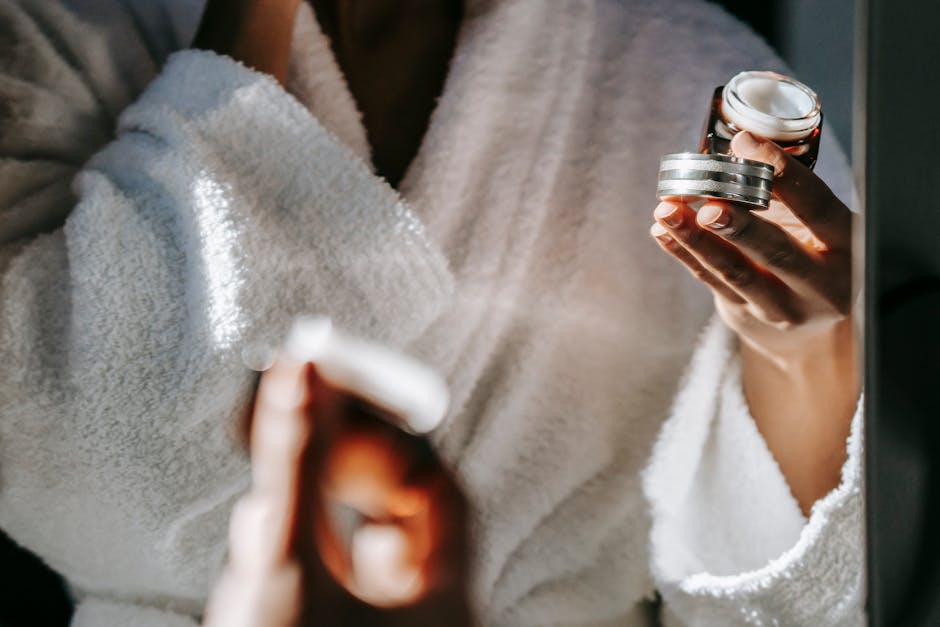
Achieving radiant, healthy skin is a goal for many, but it often requires more than just luck or genetics. The truth is, many common skincare mistakes can sabotage your efforts, leading to dullness, breakouts, and premature aging. To help you maintain a glowing complexion for years to come, we’ve identified the most critical pitfalls to avoid and actionable steps to correct them.
Over-Exfoliating Your Skin
Exfoliation is essential for removing dead skin cells and promoting cell turnover, but too much of a good thing can backfire. Over-exfoliating, whether with physical scrubs or chemical exfoliants, can strip your skin of its natural oils, leading to irritation, redness, and even sensitivity.
What to do instead: Limit exfoliation to 1-2 times per week, depending on your skin type. Opt for gentle exfoliants like lactic acid or enzyme-based products, and always follow up with a nourishing moisturizer to restore hydration.
Skipping Sunscreen
One of the most detrimental skincare mistakes is neglecting sunscreen. UV rays are the primary cause of premature aging, including fine lines, wrinkles, and dark spots. Even on cloudy days or during winter months, UV exposure can damage your skin.
What to do instead: Make sunscreen a non-negotiable part of your daily routine. Choose a broad-spectrum SPF of at least 30 and apply it generously to all exposed areas. Reapply every two hours when spending time outdoors.
Using Too Many Products at Once
In the quest for perfect skin, it’s tempting to layer on multiple serums, creams, and treatments. However, overloading your skin with too many products can overwhelm it, leading to irritation, breakouts, and even compromised barrier function.
What to do instead: Simplify your routine to focus on the essentials: a gentle cleanser, moisturizer, sunscreen, and one or two targeted treatments. Gradually introduce new products one at a time to monitor how your skin reacts.
Ignoring Your Neck and Décolletage
Your face isn’t the only area that deserves attention. Neglecting your neck and décolletage can lead to uneven texture, sagging, and visible signs of aging in these delicate areas.
What to do instead: Extend your skincare routine to include your neck and chest. Apply the same products you use on your face, ensuring they’re gently massaged into these areas. Don’t forget sunscreen!
Sleeping with Makeup On
After a long day, it’s easy to skip your nighttime skincare routine and head straight to bed. However, sleeping with makeup on can clog pores, trap dirt and oil, and lead to breakouts and dullness.
What to do instead: Always remove makeup before bed using a gentle cleanser or micellar water. Follow up with a hydrating toner and moisturizer to replenish your skin overnight.
Not Drinking Enough Water
Hydration is key to maintaining plump, radiant skin. When you’re dehydrated, your skin can appear dry, flaky, and lackluster. While topical moisturizers help, they can’t compensate for inadequate water intake.
What to do instead: Aim to drink at least eight glasses of water daily. Incorporate hydrating foods like cucumbers, watermelon, and oranges into your diet for an extra boost.
Using Harsh Cleansers
Cleansing is an essential step in any skincare routine, but using harsh or stripping cleansers can disrupt your skin’s natural moisture barrier. This can leave your skin feeling tight, dry, and more prone to irritation.
What to do instead: Choose a gentle, pH-balanced cleanser that removes impurities without stripping your skin. Look for ingredients like glycerin or ceramides to maintain hydration.
Neglecting Your Skin Type
Not all skincare products are created equal, and using formulas that don’t suit your skin type can lead to imbalances. For example, heavy creams may clog pores on oily skin, while lightweight gels may not provide enough hydration for dry skin.
What to do instead: Identify your skin type—whether oily, dry, combination, or sensitive—and choose products tailored to its needs. Consult a dermatologist if you’re unsure.
Relying Solely on Skincare Products
While skincare products play a crucial role, they’re only part of the equation. Factors like diet, stress, sleep, and lifestyle habits also impact your skin’s health and appearance.
What to do instead: Adopt a holistic approach to skincare. Prioritize a balanced diet rich in antioxidants, manage stress through mindfulness or exercise, and aim for 7-9 hours of quality sleep each night.
Conclusion
Long-term radiance is achievable when you avoid these common skincare mistakes and adopt healthy habits. By being mindful of your routine, listening to your skin, and making informed choices, you can maintain a glowing complexion that stands the test of time. Remember, consistency is key—so stick to your regimen and enjoy the results.
Mastering the Art of Layering for Every Season
Layering isn’t just about staying warm—it’s an opportunity to play with textures, colors, and proportions. Start with a lightweight base like a fitted cotton tee or silk camisole, then build outward with chunky knits, tailored blazers, or quilted vests. The key is balancing volume: pair slim-fitting layers under oversized pieces to avoid bulk. For transitional weather, a trench coat over a thin turtleneck and cropped trousers creates effortless polish. In winter, swap the trench for a wool overcoat and add cashmere gloves for tactile luxury.
Unexpected Pairings That Work
- Denim on denim: Contrast washes (light jacket + dark jeans) with a metallic belt to break it up
- Silk slip dress + combat boots: Feminine meets edgy when topped with a leather moto jacket
- Cable-knit sweater + satin midi skirt: Cozy meets glam for weekend brunches
The Fabric Almanac: What Wears Best When
| Season | Daytime Pick | Evening Upgrade |
|---|---|---|
| Spring | Breathable linen shirts | Chiffon wrap tops |
| Summer | Moisture-wicking bamboo tees | Sequin-trimmed cotton tanks |
| Fall | Merino wool cardigans | Velvet blazers |
| Winter | Thermal-knit turtlenecks | Faux fur stoles |
Real-World Styling Challenge Solved
When Emma needed an outfit for her gallery opening that could transition from a 90°F outdoor walk to a 65°F air-conditioned space, we built this winning combo: A sleeveless jumpsuit in wrinkle-resistant tencel served as the foundation. She added a lightweight gauze duster coat for sun protection, then swapped it for a structured cropped blazer indoors. The secret weapon? A wide silk scarf that doubled as a shawl when temperatures dropped unexpectedly.
Investment vs. Budget: Where to Splurge
Allocate your fashion budget like a savvy editor. Spend more on perennial workhorses: a camel wool coat, leather ankle boots, and perfectly fitted dark wash jeans. Save on trend-driven pieces like printed maxi skirts or neon accessories. For example, a $30 striped Breton top often looks identical to its $200 counterpart, but invest in superior stitching for tailored trousers that won’t sag at the knees. Pro tip: Check fabric content—natural fibers like cotton, wool, and silk always outlast synthetics in long-term wear tests.