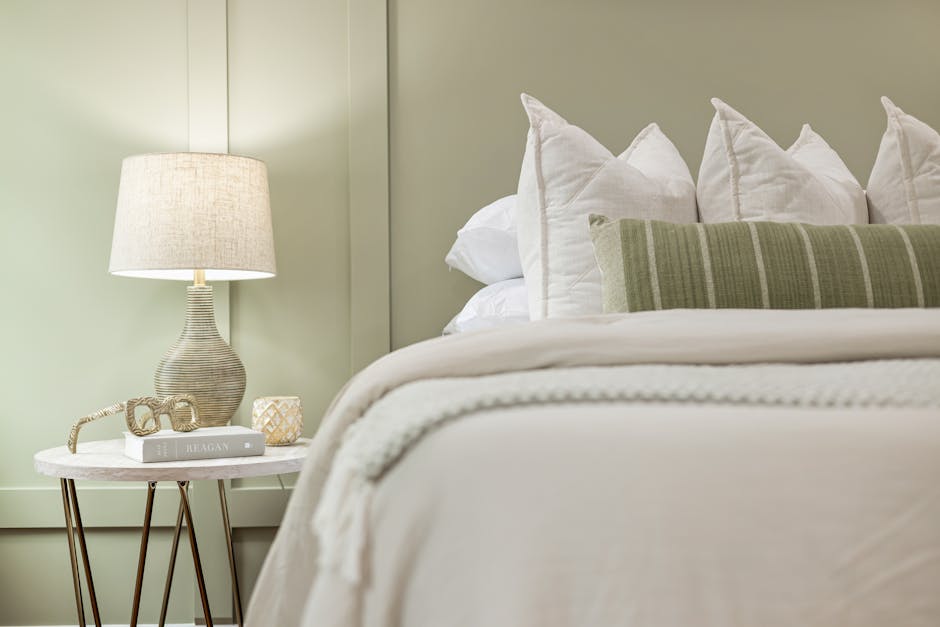
Your bedroom is more than just a place to sleep—it’s a sanctuary where you unwind, recharge, and escape the stresses of daily life. Creating a relaxing bedroom environment is essential for promoting better sleep, reducing anxiety, and enhancing overall well-being. With thoughtful design choices and intentional habits, you can transform your bedroom into a calming haven. Here’s how to do it.
1. Choose a Soothing Color Palette
Color has a profound impact on mood and relaxation. Opt for soft, muted tones that evoke tranquility, such as pale blues, gentle greens, warm neutrals, or soft grays. These colors create a serene atmosphere and help calm the mind. Avoid bright, bold shades like red or orange, which can be overstimulating. If you’re unsure where to start, consider painting an accent wall in a calming hue or incorporating these colors through bedding, curtains, or decor.
2. Invest in Quality Bedding
Your bed is the centerpiece of your bedroom, so prioritize comfort when selecting bedding. Choose high-quality, breathable materials like cotton or linen for sheets, as they regulate temperature and feel soft against the skin. Layer with a lightweight duvet or comforter and add plush pillows that support your neck and head. If possible, invest in a mattress that suits your sleeping style—whether you prefer firm or soft support. A comfortable bed ensures restful sleep and contributes to a relaxing environment.
3. Declutter and Organize
Clutter can create visual chaos and make it harder to relax. Keep your bedroom tidy by minimizing unnecessary items and finding storage solutions for essentials. Use under-bed storage bins, decorative baskets, or closet organizers to keep things out of sight. A clean, uncluttered space promotes a sense of calm and makes it easier to focus on relaxation.
4. Incorporate Soft Lighting
Harsh overhead lighting can feel jarring, especially in the evening. Instead, opt for soft, diffused lighting to create a cozy ambiance. Use table lamps, floor lamps, or wall sconces with warm-toned bulbs to provide gentle illumination. Dimmer switches are an excellent addition, allowing you to adjust the brightness to suit your mood. For an extra touch of relaxation, consider adding candles or fairy lights to create a warm, inviting glow.
5. Add Natural Elements
Bringing nature into your bedroom can enhance its calming atmosphere. Incorporate houseplants like peace lilies, snake plants, or pothos, which not only purify the air but also add a touch of greenery. If you’re not a fan of live plants, consider using natural materials like wood, stone, or woven textiles in your decor. These elements create a grounding, organic feel that fosters relaxation.
6. Control Noise Levels
Noise can disrupt your ability to relax and sleep soundly. If outside sounds are an issue, consider using a white noise machine or a fan to mask distractions. Thick curtains or rugs can also help absorb sound and create a quieter environment. If you live in a noisy area, earplugs might be a practical solution for uninterrupted rest.
7. Introduce Calming Scents
Aromatherapy can play a significant role in creating a relaxing atmosphere. Essential oils like lavender, chamomile, or eucalyptus are known for their calming properties. Use a diffuser to fill your bedroom with these soothing scents, or add a few drops to a cotton ball and place it near your pillow. Alternatively, opt for scented candles or linen sprays to infuse your space with a gentle fragrance.
8. Personalize Your Space
Your bedroom should reflect your personality and make you feel at ease. Incorporate items that bring you joy, such as family photos, artwork, or sentimental objects. However, avoid overcrowding your space—choose a few meaningful pieces that enhance the room’s tranquility. Personal touches make your bedroom uniquely yours and contribute to a sense of comfort.
9. Establish a Relaxing Routine
Your habits play a crucial role in creating a calming bedroom environment. Develop a bedtime routine that helps you unwind, such as reading a book, practicing gentle stretches, or meditating. Avoid using electronic devices before bed, as the blue light emitted by screens can interfere with sleep. Instead, opt for activities that promote relaxation and prepare your mind and body for rest.
10. Keep Technology at Bay
While technology is a part of modern life, it can disrupt your bedroom’s peaceful atmosphere. Avoid placing work-related items, like laptops or paperwork, in your bedroom. If possible, keep your phone on silent or in another room to minimize distractions. By limiting technology, you create a space dedicated solely to relaxation and sleep.
Final Thoughts
Creating a relaxing bedroom environment is about more than aesthetics—it’s about crafting a space that supports your physical and emotional well-being. By focusing on soothing colors, comfortable bedding, and calming habits, you can transform your bedroom into a tranquil retreat. Remember, small changes can make a big difference. Start with one or two of these tips and gradually build a space that helps you unwind, recharge, and enjoy a peaceful night’s sleep.