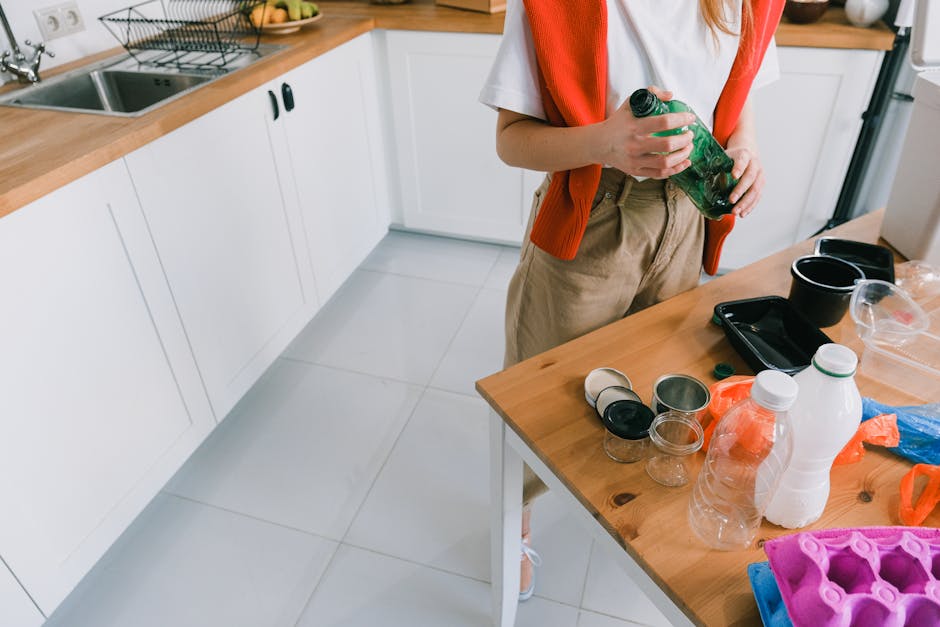
In today’s world, where sustainability is increasingly important, reducing waste has become a priority for many households. The kitchen, in particular, is a hotspot for potential waste, from food scraps to single-use packaging. Fortunately, innovative kitchen gadgets are making it easier than ever to minimize waste while maintaining efficiency and convenience. Here’s a look at some of the best tools designed to help you cut down on kitchen waste.
Compost Bins for Food Scraps
One of the simplest ways to reduce kitchen waste is by composting. Food scraps like vegetable peels, coffee grounds, and eggshells can be turned into nutrient-rich compost instead of ending up in landfills. Countertop compost bins are compact, odor-free, and designed to fit seamlessly into your kitchen. Brands like Full Circle and OXO offer stylish bins with carbon filters to neutralize smells, making composting an effortless part of your daily routine.
How to Use a Compost Bin
Start by placing a small compost bin on your countertop or under the sink. Toss in fruit and vegetable scraps, coffee grounds, and other compostable materials. Once the bin is full, transfer the contents to an outdoor compost pile or a municipal composting facility. This simple habit can significantly reduce the amount of waste your household produces.
Reusable Food Wraps
Plastic wrap and aluminum foil are convenient but environmentally harmful. Reusable food wraps, made from materials like beeswax or plant-based wax, offer a sustainable alternative. Brands such as Bee’s Wrap and Etee produce wraps that can be used to cover bowls, wrap sandwiches, or store produce. These wraps are washable, reusable, and biodegradable, making them a versatile addition to any eco-conscious kitchen.
Tips for Using Reusable Wraps
To use reusable wraps, simply warm them with your hands to make them pliable, then mold them over bowls or around food items. After use, wash them with cool water and mild soap, and let them air dry. With proper care, these wraps can last up to a year, drastically reducing your reliance on single-use plastics.
Food Dehydrators
Food waste often occurs when fresh produce spoils before it can be consumed. A food dehydrator can help extend the shelf life of fruits, vegetables, and herbs by removing moisture. This not only reduces waste but also creates healthy snacks like dried fruit or vegetable chips. Popular models from Nesco and Excalibur offer adjustable temperature settings and multiple trays, allowing you to dehydrate a variety of foods at once.
Getting Started with a Dehydrator
Slice fruits, vegetables, or herbs thinly and arrange them on the dehydrator trays. Set the temperature according to the food type—most fruits and vegetables dehydrate well between 125°F and 135°F. Once dried, store the food in airtight containers. This process preserves nutrients and flavors while preventing spoilage.
Mason Jar Accessories
Mason jars are a versatile and eco-friendly storage solution, but their functionality can be enhanced with specialized accessories. Lids with built-in pour spouts, straw holes, or vacuum seals make it easy to store and use liquids, dry goods, and leftovers without resorting to disposable containers. Companies like Ball and Mason Jar Lifestyle offer a range of accessories that transform these jars into multi-purpose tools.
Creative Uses for Mason Jars
Use mason jars to store pantry staples like grains, beans, and spices, or to pack lunches with salads, soups, or smoothies. The airtight seals keep food fresh, and the clear glass allows you to easily see what’s inside. By replacing plastic bags and containers, mason jars help cut down on single-use packaging waste.
Food Savers and Vacuum Sealers
Vacuum sealers are a game-changer for reducing food waste. These devices remove air from specially designed bags, extending the shelf life of perishable items like meat, cheese, and vegetables. Brands like FoodSaver offer compact models that are perfect for home use. Vacuum-sealed foods can last up to five times longer in the freezer or refrigerator, reducing the likelihood of spoilage.
How to Use a Vacuum Sealer
Place the food item in a vacuum-seal bag and insert the open end into the sealer. The machine will remove the air and seal the bag, creating an airtight environment. Label the bag with the date and contents before storing it in the fridge or freezer. This method is particularly useful for bulk cooking and meal prep.
Silicone Baking Mats
Parchment paper and aluminum foil are common baking staples, but they’re single-use and contribute to waste. Silicone baking mats, such as those from Silpat, are a reusable alternative that can withstand high temperatures. These mats are non-stick, easy to clean, and can be used hundreds of times, making them a sustainable choice for baking enthusiasts.
Benefits of Silicone Mats
Use silicone mats for baking cookies, roasting vegetables, or rolling out dough. After use, simply wash them with soap and water, and they’re ready for the next batch. Over time, these mats can save you money and reduce your reliance on disposable baking supplies.
Conclusion
Reducing kitchen waste doesn’t have to be complicated or inconvenient. With the right gadgets, you can make small changes that have a big impact on both the environment and your household’s efficiency. From composting food scraps to extending the life of perishables, these tools empower you to create a more sustainable kitchen. By incorporating these gadgets into your routine, you’ll not only cut down on waste but also embrace a greener, more mindful way of living.