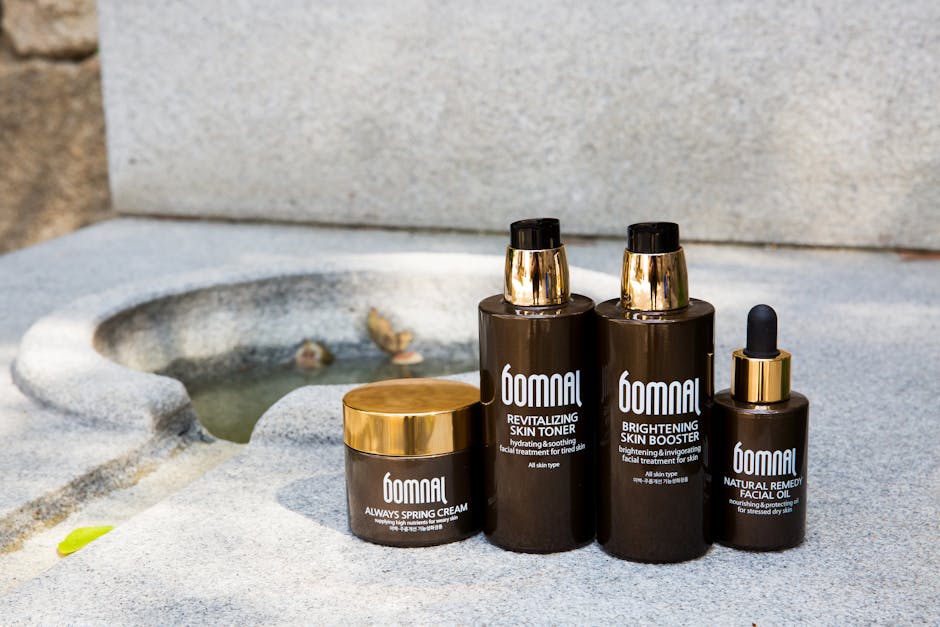
Navigating the world of skincare can feel like walking through a maze. With countless products and ingredients promising glowing skin, it’s easy to feel overwhelmed. However, the key to achieving a healthy complexion often lies in understanding how to combine skincare ingredients safely. Missteps can lead to irritation, breakouts, or even long-term damage. Here’s a comprehensive guide to help you make informed decisions and create a skincare routine that works harmoniously for your skin.
Why Ingredient Compatibility Matters
Not all skincare ingredients are created equal, and some simply don’t play well together. Combining incompatible ingredients can reduce their effectiveness or, worse, cause adverse reactions. For example, using an exfoliating acid like glycolic acid alongside retinol might strip your skin’s barrier, leading to redness and sensitivity. Understanding the science behind these interactions is crucial for building a safe and effective routine.
Layering Basics: The Rule of Thumb
When layering skincare products, the general rule is to apply them from thinnest to thickest consistency. Start with water-based products like toners or serums, followed by heavier creams or oils. This ensures that each product can penetrate the skin without creating a barrier. For instance, applying a lightweight hyaluronic acid serum before a rich moisturizer allows the serum to hydrate deeply while the moisturizer locks in the moisture.
Power Duos: Ingredients That Work Together
Some ingredient combinations can enhance each other’s benefits. Vitamin C and vitamin E, for example, are a classic pairing. Vitamin C brightens the skin and fights free radicals, while vitamin E provides antioxidant protection and helps stabilize vitamin C. Another effective duo is niacinamide and hyaluronic acid. Niacinamide strengthens the skin barrier, while hyaluronic acid hydrates, creating a plump and balanced complexion.
Combinations to Avoid
Certain ingredients should never be mixed, as they can cause irritation or neutralize each other’s effects. Retinol and benzoyl peroxide are a prime example. While retinol promotes cell turnover, benzoyl peroxide can deactivate it, rendering both products ineffective. Similarly, using alpha hydroxy acids (AHAs) or beta hydroxy acids (BHAs) with vitamin C can lower the pH of your skin, leading to irritation and sensitivity.
How to Introduce New Ingredients
When adding a new ingredient to your routine, it’s essential to introduce it gradually. Start by using it once or twice a week to see how your skin reacts. Patch testing is also a good practice—apply a small amount of the product behind your ear or on your inner arm to check for any adverse reactions. If your skin tolerates the ingredient well, you can gradually increase its frequency.
Tailoring Your Routine to Your Skin Type
Your skin type plays a significant role in determining which ingredients work best for you. For oily or acne-prone skin, salicylic acid and niacinamide can help regulate oil production and reduce breakouts. Dry skin benefits from hydrating ingredients like ceramides and squalane, which restore moisture and strengthen the skin barrier. Sensitive skin types should opt for gentle, soothing ingredients like aloe vera and chamomile.
Timing Is Everything
Some ingredients are best used at specific times of the day. For instance, retinol is typically recommended for nighttime use, as it can make your skin more susceptible to sun damage. On the other hand, vitamin C is ideal for the morning, as it provides antioxidant protection against environmental stressors like pollution and UV rays. Always follow up with a broad-spectrum SPF during the day to protect your skin.
When to Consult a Professional
If you’re unsure about how to combine certain ingredients or if you’re experiencing persistent skin issues, it’s a good idea to consult a dermatologist. They can provide personalized recommendations based on your skin’s unique needs and help you avoid potential pitfalls. Additionally, they can prescribe stronger treatments that are not available over the counter.
Final Thoughts
Combining skincare ingredients safely is both an art and a science. By understanding how different ingredients interact and tailoring your routine to your skin type, you can achieve a healthy, radiant complexion. Remember to introduce new products gradually, pay attention to timing, and seek professional advice when needed. With the right knowledge and approach, you can unlock the full potential of your skincare routine.
Exploring Different Styles for Every Occasion
When it comes to fashion, versatility is key. Whether you’re dressing for a formal event or a casual outing, understanding how to adapt your wardrobe is essential. For formal occasions, opt for tailored pieces like a sleek blazer or a classic pencil skirt. Pair these with simple accessories to keep the look polished. On the other hand, casual settings allow for more creativity. Think comfortable yet stylish pieces like oversized sweaters or distressed jeans. Layering is also a great way to add depth to your outfit without compromising on comfort.
Comparing Fabric Choices for Comfort and Durability
Not all fabrics are created equal, and choosing the right one can make a world of difference. Cotton is a go-to for its breathability and ease of care, making it perfect for everyday wear. For colder months, wool offers excellent insulation while still maintaining a chic appearance. If you’re looking for something more luxurious, silk provides a soft, smooth texture that’s ideal for evening wear. On the flip side, synthetic fabrics like polyester are durable and resistant to wrinkles, making them a practical choice for busy lifestyles.
Real-World Scenarios: Dressing for Success
Imagine you have an important job interview coming up. First impressions matter, so dressing appropriately is crucial. A well-fitted suit in a neutral color like navy or gray conveys professionalism and confidence. Pair it with a crisp white shirt and polished shoes to complete the look. Now, consider a weekend brunch with friends. Here, you can afford to be more relaxed. A flowy sundress paired with sandals and a wide-brimmed hat creates a laid-back yet stylish vibe. The key is to always consider the context and dress accordingly.
Accessorizing to Elevate Your Look
Accessories are the finishing touches that can transform an outfit from ordinary to extraordinary. A statement necklace can add a pop of color to a monochrome ensemble, while a sleek belt can define your waist and add structure. Don’t forget about bags and shoes—they should complement your outfit without overpowering it. For a cohesive look, choose accessories in the same color family or material. Remember, less is often more; a few well-chosen pieces can make a stronger impact than an overload of accessories.
Seasonal Considerations for Staying Stylish Year-Round
Your wardrobe should evolve with the seasons to ensure you’re both comfortable and fashionable. In the summer, lightweight fabrics and bright colors help you stay cool while looking fresh. Transition into fall with layers like cardigans and scarves, incorporating rich autumnal hues. Winter calls for heavier materials like wool and cashmere, along with darker tones that reflect the season’s mood. Spring is the perfect time to experiment with pastels and floral prints, signaling a fresh start. Adapting your style to the weather not only keeps you comfortable but also ensures you’re always on-trend.