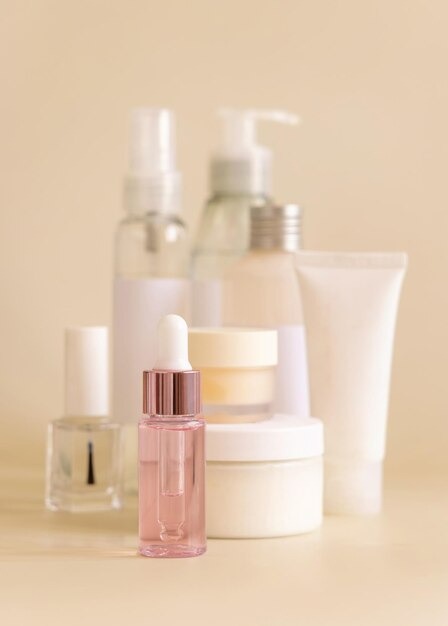
Budget Glow-Ups: Affordable Skincare That Delivers
Great skin doesn’t have to come with a luxury price tag. With the right knowledge and a little savvy shopping, you can achieve a radiant complexion without breaking the bank. This guide highlights budget-friendly skincare products and routines that deliver visible results, proving that effective skincare is accessible to everyone.
The Myth of Expensive Skincare
Many consumers assume that high-end skincare products are inherently superior, but dermatologists often debunk this myth. The truth is, many affordable brands use the same active ingredients as their pricier counterparts—just without the extravagant packaging or celebrity endorsements. The key is knowing which ingredients to look for and how to use them effectively.
Affordable Staples for Every Skin Type
1. Cleansers That Cleanse—Without Stripping
A good cleanser is the foundation of any skincare routine. Drugstore brands like CeraVe and La Roche-Posay offer gentle, effective cleansers with ceramides and hyaluronic acid to maintain the skin’s moisture barrier. The CeraVe Hydrating Facial Cleanser, for example, is a dermatologist-recommended option that costs a fraction of high-end alternatives.
2. Moisturizers That Hydrate Deeply
Dry or oily, every skin type needs hydration. Neutrogena’s Hydro Boost Water Gel is a cult favorite for its lightweight yet deeply hydrating formula, thanks to hyaluronic acid. For those with sensitive skin, Vanicream’s Moisturizing Cream provides intense hydration without irritants like fragrance or dyes.
3. Sunscreen: Non-Negotiable Protection
Sunscreen is the ultimate anti-aging product, and affordable options abound. The e.l.f. Holy Hydration! SPF 30 is a multitasking moisturizer with broad-spectrum protection, while Black Girl Sunscreen offers a sheer, non-greasy formula perfect for deeper skin tones.
Targeted Treatments on a Budget
1. Exfoliants for Brighter Skin
Chemical exfoliants like The Ordinary’s Glycolic Acid 7% Toning Solution gently remove dead skin cells, promoting a brighter complexion. At under $10, it’s a steal compared to high-end exfoliating toners.
2. Serums That Pack a Punch
Serums are concentrated treatments, and budget brands like The Inkey List deliver powerful results. Their Niacinamide Serum helps reduce redness and congestion, while their Retinol Serum tackles fine lines—all for under $15.
3. Spot Treatments That Work
For acne-prone skin, Differin Gel (now available over the counter) is a retinoid that unclogs pores and prevents breakouts. At around $15, it’s a fraction of the cost of prescription alternatives.
Building a Routine Without Overspending
An effective skincare routine doesn’t require a dozen products. Focus on these essentials:
- Morning: Cleanser, moisturizer with SPF.
- Evening: Cleanser, treatment (like a serum or retinol), moisturizer.
- Weekly: Exfoliate 1-2 times per week.
By keeping it simple, you avoid unnecessary purchases and give your skin what it truly needs.
Where to Shop Smart
Discount retailers like Target, Walmart, and online marketplaces often carry affordable skincare lines. Watch for sales, and consider store brands—many pharmacies have their own lines that rival name-brand products in quality.
Final Thoughts
Glowing skin isn’t about how much you spend—it’s about using the right products consistently. With these budget-friendly picks, you can achieve a healthy, radiant complexion without overspending. Remember, the best skincare routine is the one you’ll stick to.
Mastering the Art of Effortless Blending
Creating seamless transitions in your makeup routine requires more than just the right tools—it demands technique. Start by applying product sparingly and building coverage gradually. Use small, circular motions with your brush or sponge, focusing on areas that need the most attention. The key is to work in thin layers, allowing each one to set before adding more. This prevents cakiness and ensures a natural finish that lasts all day.
The Warm vs. Cool Undertone Dilemma
Selecting the perfect shade goes beyond matching skin depth. Those with warm undertones (golden, peachy hues) should lean toward foundations with yellow or golden bases, while cool undertones (pink, bluish hues) pair best with rosier formulations. Test shades along your jawline in natural light—the right match will disappear into your skin rather than sitting on top of it. When in doubt, many beauty counters now offer custom shade-matching technology for precision results.
Unexpected Uses for Your Favorite Products
That high-coverage concealer hiding in your drawer? It doubles as an eyeshadow primer for intense color payoff. A matte brown eyeshadow makes an excellent soft contour powder for fair complexions. Even your lipstick can multitask—dab a berry shade on cheeks for a monochromatic flush that ties your whole look together. These clever swaps not only simplify your routine but help maintain color harmony across your features.
When Budget Meets Luxury: Smart Comparisons
The $50 foundation might not always outperform its $15 counterpart. Through rigorous side-by-side testing, certain drugstore formulas have matched or exceeded prestige brands in wear time and finish. The real differentiator often lies in shade range and specialized ingredients—luxury lines may offer more nuanced color options or skincare benefits. For everyday wear, many makeup artists recommend investing in a mid-range workhorse product and splurging only on items where you truly notice a difference.
Real-World Challenges and Solutions
Picture this: You’re attending an outdoor summer wedding where temperatures will soar. Instead of loading up on powder (which can turn cakey with sweat), try a long-wear liquid foundation set with a single layer of translucent powder only in your T-zone. Keep blotting papers and a travel-sized setting spray in your clutch for quick touch-ups. For those wearing glasses, prevent foundation rub-off by applying a light layer of eye primer on your nose bridge before foundation—this creates a grippy barrier that helps makeup stay put.
Another common frustration? Makeup that looks flawless indoors but appears off in sunlight. This often stems from SPF-related flashback or incorrect undertone matching. If you’ll be photographed frequently, opt for a physical sunscreen rather than a chemical one (which can cause ghostly white casts in flash photography) and always check your foundation’s SPF content.